/icon_text_light_svg.svg)

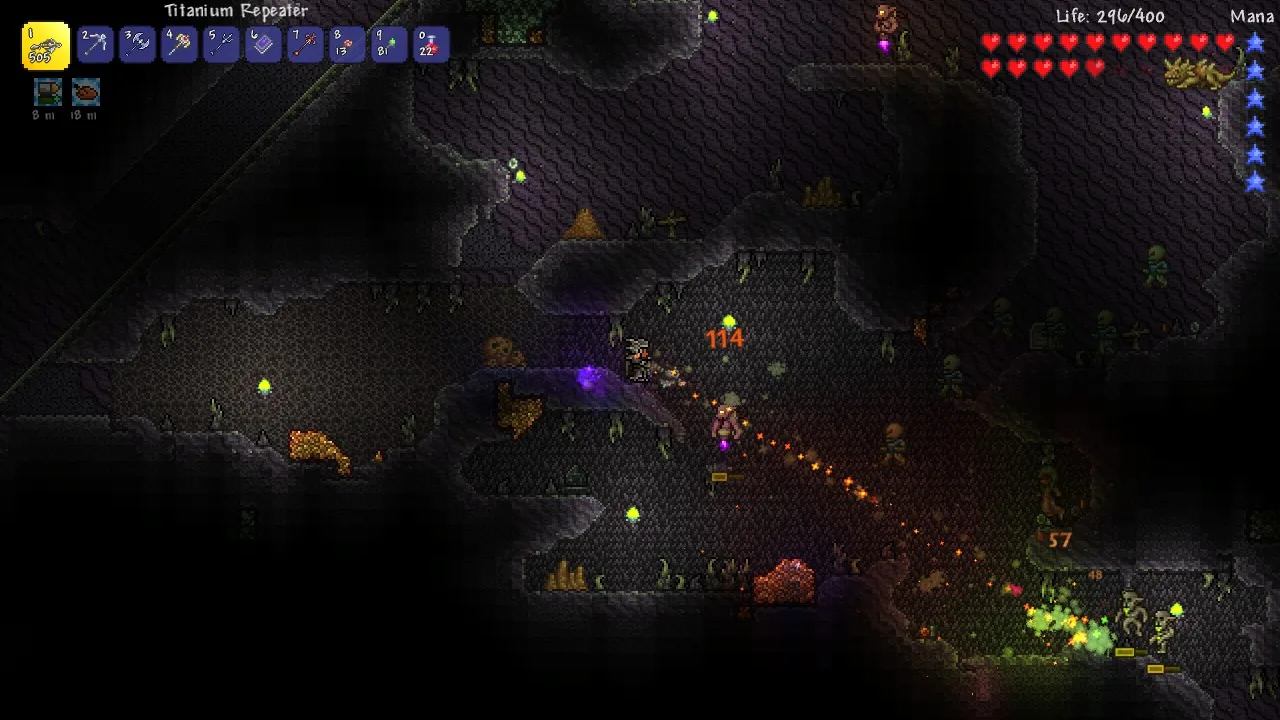
You can make a sandbox game like Terraria with Chatforce: choose 2D when you create it, describe the game in chat, and play a first version in about 10 to 15 minutes. Chatforce is a tool where you describe a game in chat and AI agents build it, in 2D or 3D, single-player or multiplayer. Describe it to Chatforce like this: start with a small patch of terrain the player can dig, a few materials to gather, one useful tool to craft, and a reason to venture farther. Then expand the world and systems, and test each change by playing and asking for adjustments in chat.
Play Terraria style games made on Chatforce
These games were made and published on Chatforce. Open one to see how another creator turned a similar idea into a browser game.
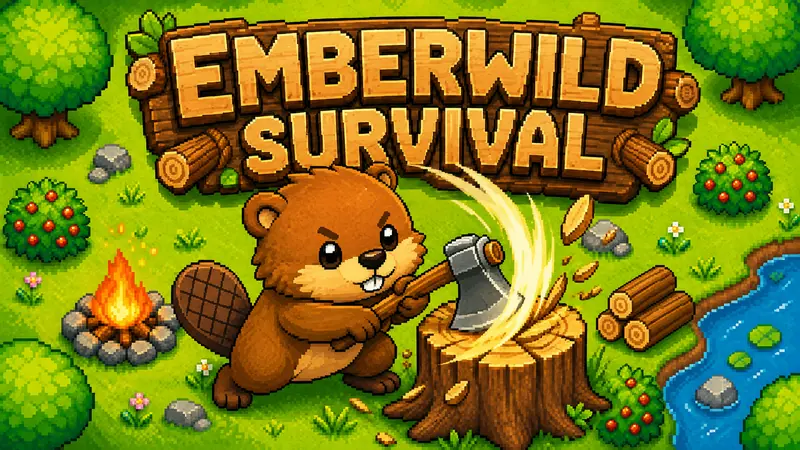 Emberwild SurvivalMade with Chatforce
Gather, craft, and build a base, then hold it when monsters attack at night.
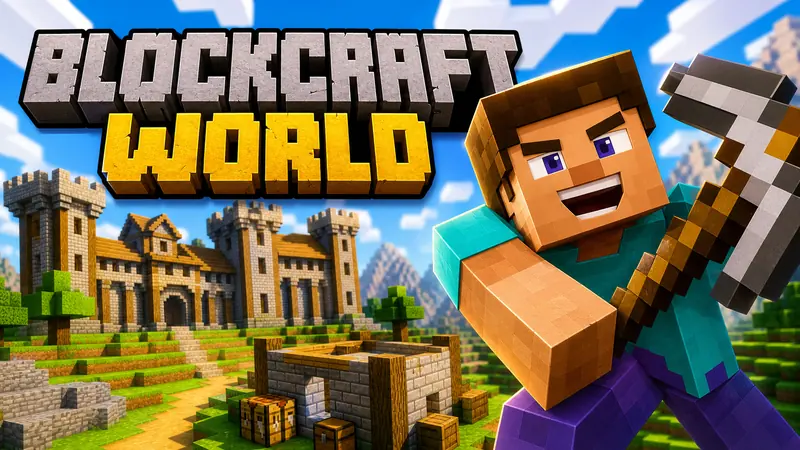 Blockcraft WorldMade with Chatforce
Place and break blocks to build anything in a first-person 3D world.
Start with a playable sandbox loop
Terraria is a reference point for a side view world built around exploration, crafting, and discovery. Your project should create its own identity, with original creatures, materials, structures, names, and art. Ask for the kind of player feeling you want, such as curiosity after finding a cave or satisfaction from building a safe workshop, rather than requesting copied characters, assets, or locations.
Sandbox games can become broad quickly. For the first version, define one nearby biome, a short resource chain, one craftable tool, and one destination that tool helps the player reach. That is enough to test whether gathering leads to a meaningful choice. You can layer in more recipes, building options, enemies, and areas after the core loop makes sense.
| System | First prototype question |
|---|---|
| Exploration | What nearby landmark gives the player a reason to travel? |
| Crafting | Which resource becomes a useful tool? |
| World | What kind of variation will you request and inspect? |
| Multiplayer | What shared goal gives friends a reason to cooperate? |
A four step plan for the first prototype
Choose a dimension and the core activity
Pick 2D or 3D when you create the game, so decide the view first. Decide whether the first experience is a side view expedition or a real time 3D world, and describe the camera and movement in practical terms. State what the player does in the first few minutes: move, inspect the surroundings, gather a resource, and make a basic item. Keep the first request small enough that you can judge whether interaction feels understandable before adding a long list of systems.
Make crafting serve exploration
Name a handful of materials and explain where each comes from. Connect each recipe to a player decision: a pick or tool opens access to a resource, a light source makes a dark place readable, or a simple shelter offers a safe pause. Avoid a large recipe catalog at the start. Describe how the player discovers a recipe and how the result appears in the game, then play through the chain to see if the reward is clear and worth the effort. Pixel art keeps blocks and tools readable at small sizes.
Describe the world and multiplayer request
Ask for a world with recognizable regions, a few memorable landmarks, and reasons to move between them. You can request procedural worlds as part of the design brief, describing what variety should mean for your game, such as different terrain shapes or resource placement. Treat that as a request to test rather than a promise about a specific generation system. Chatforce supports online multiplayer in both 2D and 3D. Explain what friends should do together, such as gather materials and build a shared base, then try the session with the people you expect to play. A top-down overworld is the alternative if you want regions seen from above.
Playtest the loop and expand carefully
Ask for a first playable, try it in the browser, and note where players hesitate. If they cannot tell which blocks are collectible, improve the visual distinction. If crafting feels like a chore, reduce the material steps or make the next goal more visible. If exploration seems aimless, add a landmark or a specific resource need. Chatforce typically produces a first playable in 10 to 15 minutes, and you can keep iterating in chat as the prototype reveals what needs attention.
Give Chatforce a precise example
A useful prompt gives a small playable target and a few rules that make the world coherent. Include the visual tone, what the player collects, the purpose of a craftable item, and the short-term destination. Mention whether the game is single player or intended for online multiplayer. Keep the prompt focused on the opening slice; a clear prototype is easier to improve than a huge feature list that has not been played.
Example prompt: Create an original 2D sandbox crafting game on a windswept island. The player explores, gathers driftwood and blue ore, crafts a lantern, and uses it to find a cave entrance near a lighthouse. Add a simple shelter building interaction and one slow cave creature with a visible warning. Use original art with warm coastal colors and clear silhouettes. Make the first resource and crafting loop easy to understand. I may ask to test procedural island variety and online co-op after the core works.
Treat procedural variety as a design request
When you ask for procedural worlds, describe the player facing outcome instead of assuming a particular technical approach. Should each new landscape create a different route to the cave? Should resource pockets encourage a short detour? Should the player always recognize a safe landmark? Those are useful design constraints. Then inspect what the prototype actually produces and refine the request based on the results. Avoid promising yourself that every world will be balanced or endlessly varied until you have tested the experience.
Keep a handmade sense of progression even when you want variation. A player needs to understand what matters, where to go next, and why collecting something is useful. Landmarks, readable terrain, and a few deliberate goals can help a world feel navigable. If a generated layout feels confusing, ask for clearer signposting or more intentional placement, then test again. Games like Stardew Valley pair a similar loop with farming.
Build social play around a shared goal
Online multiplayer works best when players have a reason to cooperate. A shared build site, a resource expedition, or a dangerous destination gives friends something to plan together. Describe how players should meet, what they can contribute, and what happens if one player reaches a new area first. The supported multiplayer experience can be used in 2D and 3D, but your particular rules and pacing still need playtesting with your intended group. Valheim-stylesurvival co-op is another shared-world model.
Chatforce builds the code, art, and audio, then publishes the game at a shareable link. Friends can play a shared game without an account, and the creator owns the work. Published games have no watermark. Paid plans start at $20/month, extra credit packs from $5, and creators can join the Creator Program for free to get build credits. The game remains original, using your own direction rather than copied Terraria content.
Frequently asked questions
Can I create a procedural world?
You can ask for a procedural world as part of your design brief. Treat it as a request to explore in the prototype, not a guaranteed feature.
Can friends play together?
Chatforce supports online multiplayer in both 2D and 3D games. Describe the shared play you want and test it with your group.
Can I make a direct copy of Terraria?
Use Terraria as a reference point only. Make an original game with original art, materials, creatures, and world.
Related pages: Make a multiplayer game without coding · Multiplayer game maker · 2D game maker · Games like Terraria