/icon_text_light_svg.svg)

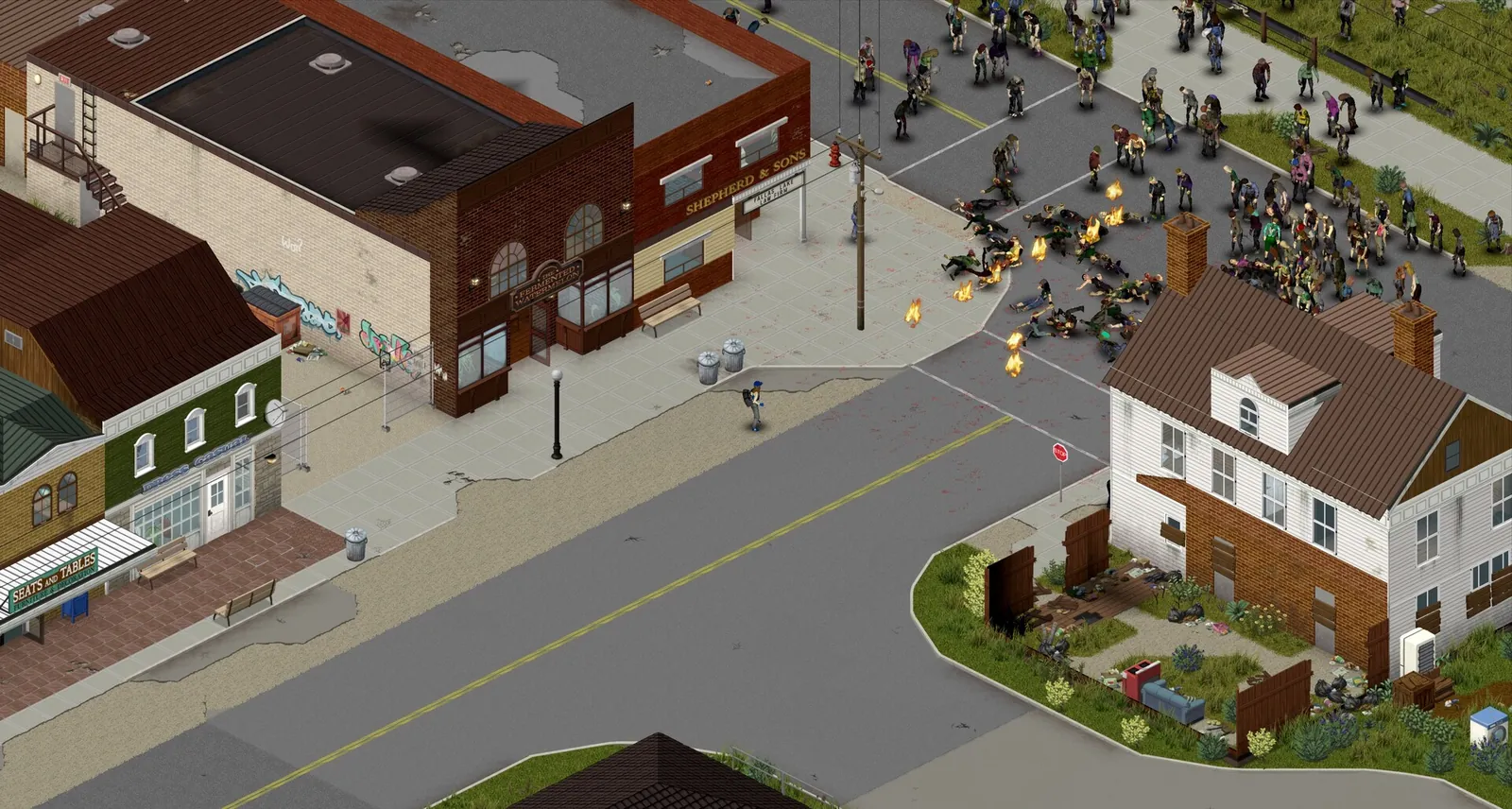
You can make a game like Project Zomboid with Chatforce: pick 2D or 3D when you create it, describe the game in chat, and play a first version in about 10 to 15 minutes. Chatforce is a tool where you describe a game in chat and AI agents build it, in 2D or 3D, single-player or multiplayer. Describe it to Chatforce like this: start with one house and street to scavenge, two needs such as hunger and tiredness, and zombies that react to noise. Then add crafting, more buildings, and longer survival goals, and tune them in chat. Chatforce turns a written description into code, art, and audio, then publishes a browser-playable game at a shareable URL.
Play Project Zomboid style games made on Chatforce
These games were made and published on Chatforce. Open one to see how another creator turned a similar idea into a browser game.
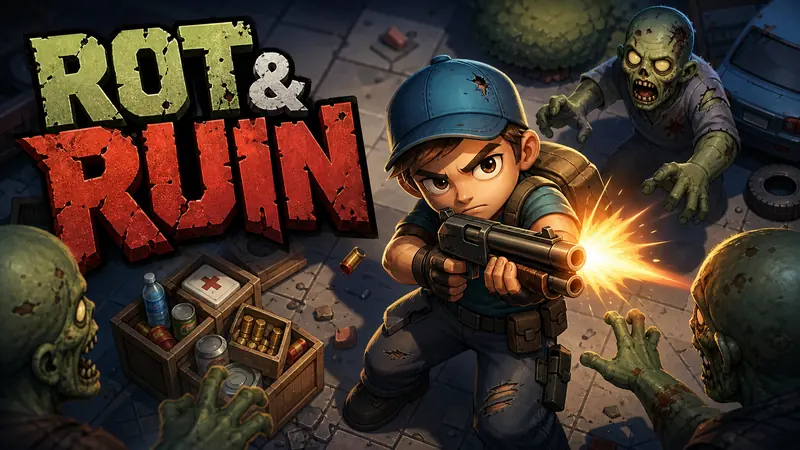 Rot & RuinMade with Chatforce
Scavenge supplies, clear infested zones, and defend your base solo or in online co-op.
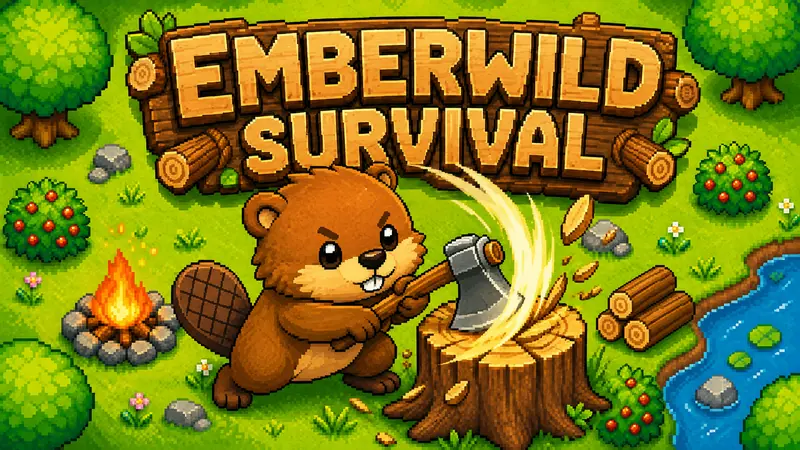 Emberwild SurvivalMade with Chatforce
Gather, craft, and build a base, then hold it when monsters attack at night.
Make survival a chain of ordinary hard choices
Food, rest, and useful tools all compete for the survivor's time. A quiet house, noisy store, and stocked clinic offer different risks, so each outing needs a destination and a return plan. Use an isometric neighborhood with distinct landmarks and readable doors, streets, and interiors. A day and night cycle can make timing matter while leaving uncertainty about what waits beyond an unopened room.
| Design choice | What to decide |
|---|---|
| Survivor view | Choose an isometric layout with readable paths and rooms. |
| Daily needs | Select a few needs that influence scavenging decisions. |
| Threats | Define how zombies notice, follow, and lose the survivor. |
| Supplies | Choose scarce food, medicine, tools, and shelter resources. |
| Long-term aim | Decide how the world becomes harder over time. |
Make scarcity understandable instead of arbitrary
Start with a few needs such as hunger, fatigue, and injury, each with a clear indicator and remedy. Food restores energy, sleep reduces fatigue, and a bandage treats a wound. Let gathered materials repair a door or secure a window, describing those crafting rules in the prompt. Show how a shelter improvement helps the next supply trip, and make a failed outing traceable to visible choices rather than hidden meters.
Lay out a neighborhood worth surviving
Choose a 2D isometric presentation
Choose 2D when creating the game if you want an isometric survival view. Chatforce fixes the choice at creation, and a 2D scene can present streets, rooms, and scattered supplies in a readable angle. Ask for clear character contrast, doors that look usable, and interiors that do not bury important objects behind walls. A 3D world is also possible, but decide at the outset and describe the camera and spatial layout. For an initial build, use one compact neighborhood with a home, a shop, a clinic, and a few routes between them.
Specify what a day asks of the player
Describe a short routine with competing priorities. The survivor wakes in a temporary shelter, checks a few condition meters, chooses a destination, searches for supplies, and returns before conditions become dangerous. Define what each need does and how the player can respond. A tired survivor might move slowly, while a wound could require a bandage and rest. Tell Chatforce how time passes during movement or searching. Avoid adding many meters before players understand the first few; distinct consequences make a lean system richer than a page of unexplained bars.
Give zombies readable behavior
Explain what attracts a zombie and what lets the survivor escape. Noise from a dropped object or forced door can draw nearby threats, while cover or distance may break pursuit. Make danger cues visible before a hit, such as a turning head, a sound marker, or movement at the edge of the screen. Decide whether combat is avoidable and whether it carries a cost. The player should be able to choose between a risky shortcut and a longer quiet route. Create original creatures and audio cues, and make their behavior consistent enough to learn.
Test the supply loop and adjust it
A first playable typically appears in 10 to 15 minutes. Try to find one useful item, return home, and make a shelter improvement. Notice if the trip has a clear destination and whether the survivor's needs create pressure at a manageable pace. Tell Chatforce what feels off, such as food appearing everywhere or a zombie crossing the whole map without warning. Ask for a concrete change, then replay the route. Art styles, reference images, stylized fonts, and a paint over concept art can help establish a distinct setting.
Example prompt: Make an original 2D isometric survival game set in a quiet lakeside neighborhood after a mysterious evacuation. The survivor starts in an unlocked cottage and must search a corner market for food, a clinic for bandages, and garages for repair parts. Show hunger, fatigue, and injury with clear indicators. Zombies notice loud actions and can be avoided by taking longer routes or hiding behind cover. Let the player spend gathered wood on one simple shelter repair. Use original survivor designs, locations, sounds, and visual details, with a readable day and night cycle.
Test how a bad day unfolds
Play one route that succeeds and one that fails. A loss should teach something about noise, distance, or supplies. If a need meter falls too quickly, check whether its warning and remedy are clear. If threats feel unavoidable, add a cue or second route. Ask a new player why they returned home; their answer shows whether survival rules were visible. If you are comparing engines for a survival sim, see the Godot alternative.
Publish the neighborhood as a playable page
Publish the browser game and share its URL. Friends can play without an account; you own the work, and published games have no watermark. Online multiplayer in 2D and 3D supports up to 8 players per room. Describe how a group shares supplies and protects its shelter.
Frequently asked questions
Can I make a direct copy of Project Zomboid?
Use it as a reference for isometric scavenging and long-term survival, then make an original game with original names, characters, art, music, and story. Create your own setting, survivor, and threats.
Can I include crafting and shelter building?
Yes, describe those systems directly in your prompt, including recipes, materials, and what shelter improvements do, and the agents build them.
Can friends survive together?
Chatforce supports online multiplayer in 2D and 3D, with up to 8 players per room. Explain how players share supplies, handle threats, and contribute to shelter in your concept.
Related pages: Make a top-down RPG with AI · Top-down overworld maker · 2D game maker · Games like Terraria · Multiplayer game guide